
What That Scratching Noise In Your Attic Really Means

East Texas Homeowners Guide To Attic Wildlife & Rodent Problems
If you’ve ever laid awake at night hearing scratching, thumping, squeaking, or movement above your ceiling… you’re definitely not alone.
One of the most common calls we get at Bandit Busters Pest & Wildlife Management starts with:
“Something is moving around in my attic.”
And here in East Texas, those noises usually mean one thing: you've probably got unwanted guests living overhead.
The good news? Catching the problem early can save you thousands in damage and prevent a small issue from turning into a major infestation.
Common Sounds Homeowners Hear In The Attic
Different animals make different noises, and the timing of the sounds can actually help identify what may be inside your home.
Scratching & Light Running Sounds
Usually caused by:
mice
rats
squirrels
These sounds are often heard:
late at night
early morning
inside walls or ceilings
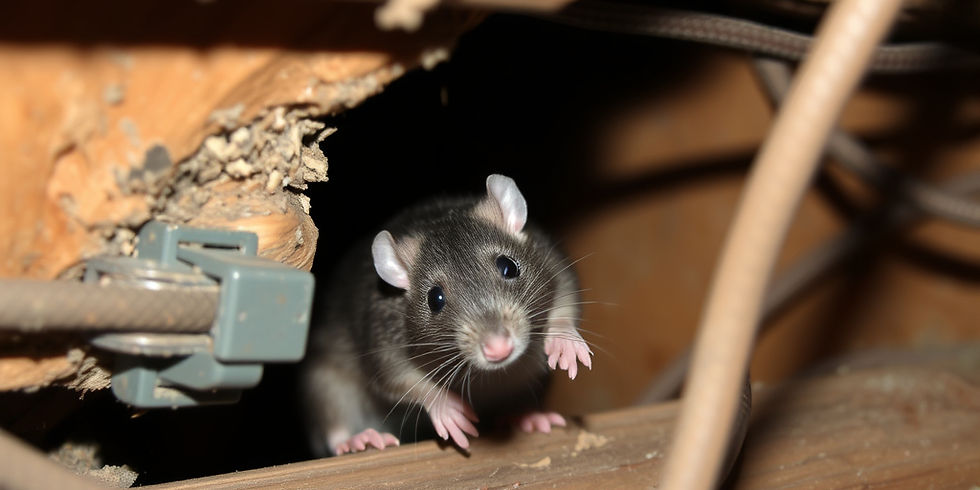
Rodents are constantly chewing, nesting, and traveling through attics looking for food and shelter.
Heavy Thumping Or Walking
This is where homeowners start getting nervous.
Heavy movement often points to:
raccoons
opossums
large squirrels
Raccoons especially can sound surprisingly loud in an attic and may even sound like a person walking overhead.
Chirping, Squeaking, Or Baby Animal Sounds
This can indicate:
baby raccoons
squirrels
bats
rodents nesting
Spring and early summer are especially active seasons in East Texas for wildlife breeding.
Why Animals Love East Texas Attics
Your attic provides exactly what wildlife wants:
warmth
darkness
protection from predators
quiet nesting space
Homes near:
wooded areas
lakes
rural properties
barns
open land
are especially vulnerable to attic invasions.
This is extremely common around:
Quinlan
Royse City
Greenville
Forney
Terrell
Rockwall
Kaufman County
Hunt County
lake properties around Tawakoni and Cedar Creek
Signs You May Have Animals In Your Attic
Besides noise, look for:
droppings
bad odors
stained ceilings
damaged insulation
chewing marks
torn soffits or vents
increased electric bills
pet behavior changes
Many homeowners are surprised to learn animals can enter through openings as small as:
a loose roof vent
damaged soffit
construction gaps
roof returns
plumbing penetrations
Even tiny gaps can allow rodents inside.
Why You Shouldn’t Ignore Attic Noises
This is where small problems become expensive problems.
Animals in attics can cause:
electrical wire damage
contaminated insulation
odor issues
ceiling damage
ductwork damage
fire hazards
parasite exposure
recurring infestations
And unfortunately…the longer animals stay, the worse the damage usually becomes.
DIY Traps Usually Don’t Solve The Real Problem
One of the biggest mistakes homeowners make is trapping or removing an animal without fixing HOW it got inside.
If the entry points remain open: another animal will often move right back in.
That’s why professional wildlife exclusion matters.
At Bandit Busters, we focus on:
identifying the animal
locating entry points
sealing the home properly
trapping/removing the issue
preventing future invasions
We use professional materials like:
metal flashing
Hardie material
steel mesh
proper sealants
—not spray foam shortcuts.
What To Do If You Hear Scratching In Your Attic
Step 1:
Don’t panic.
Step 2:
Pay attention to:
time of day
sound type
location of noise
Step 3:
Avoid going into the attic yourself if possible.
Wildlife can become defensive, especially mothers with babies.
Step 4:
Get a professional inspection before the problem grows.
East Texas Wildlife Removal & Exclusion
At Bandit Busters Pest & Wildlife Management, we help homeowners across East Texas safely remove and prevent:
rats
mice
raccoons
squirrels
bats
other nuisance wildlife
We believe in fixing problems the RIGHT way — not temporary patch jobs.
If you’re hearing noises in your attic, now is the best time to catch it before major damage happens.
Need A Wildlife Inspection?
📍 Serving Quinlan, Royse City, Greenville, Forney, Terrell, Rockwall, Hunt County, Kaufman County, and surrounding East Texas areas.
📞 903-274-5353💻 Bandit Busters Pest & Wildlife Management
FAQ Section
What animal is most commonly found in East Texas attics?
Rats, mice, raccoons, and squirrels are some of the most common attic invaders in East Texas homes.
Can raccoons damage my attic?
Yes. Raccoons can tear insulation, damage ductwork, contaminate attics, and even damage wiring.
How do animals get into attics?
Common entry points include damaged soffits, roof vents, roof returns, gaps in construction, and plumbing penetrations.
Is scratching in walls always rodents?
Not always. Squirrels and other wildlife can also travel through wall voids depending on the structure of the home.
Will spray foam stop rodents?
Not by itself. Foam alone is often chewed through and should not be relied on as the only exclusion method.


Comments